Trick or Treat? You Were Never Registered With Your NHS Dentist
Finding NHS dental care can feel like knocking on doors where all the lights are off. The problem is not necessarily your dentist—it is a system created by the 2006 NHS dental contract.

Finding an NHS dentist can feel like trick-or-treating on a street where almost every light is off.
You call one practice. No appointments.
You try another. Not taking NHS patients.
The fifth offers a private consultation next week—but at a price you were not expecting.
It is easy to feel as though you have said the wrong thing or somehow lost your place with “your” dentist. But the uncomfortable truth is that you may never have been permanently registered in the first place.
You were never registered like a GP patient
Since the NHS dental contract changed in 2006, NHS dentistry in England has not operated through permanent patient registration in the same way as general practice.
A dental practice is generally responsible for you while it is providing a course of treatment—not indefinitely. Yet Healthwatch found that 68% of people mistakenly believe they have a continuing right to be registered with an NHS dentist.
This means you can contact any practice in England offering NHS appointments, regardless of postcode. But it also means your previous practice may not have an NHS appointment available when you next need one.
More than 13 million people need care they cannot access
The British Dental Association’s analysis of the 2026 GP Patient Survey estimates that 13.3 million adults in England have unmet NHS dental needs.
Around 4.9 million tried and failed to secure an appointment during the previous two years. Another 6.2 million did not even try because they believed they would be unsuccessful. Before the pandemic, unmet need was closer to one adult in ten. It is now more than one in four.
It is not necessarily your dentist’s fault
The contract pays practices for completing specified amounts of activity rather than simply looking after a registered population.
According to BDA estimates, a typical practice can lose more than £25 providing an NHS check-up, almost £90 repairing a denture and more than £100 completing a root canal treatment. That makes it increasingly difficult for practices to provide unlimited NHS appointments, however much their teams may want to help.
The problem is the system—not usually the receptionist or dentist telling you there is no space.
Ask the right questions
Do not simply ask: “Are you taking new NHS patients?”
Ask separately:
- Do you have any routine NHS appointments?
- Can I join your NHS waiting list?
- Do you have urgent NHS appointments?
- Are you accepting children or patients entitled to free care?
- Should I call again at a particular time?
Since 1 April 2026, many NHS dental contracts have been required to dedicate part of their activity to urgent and unscheduled care. “We are not taking new routine NHS patients” and “we have no urgent appointments” are therefore two different answers.
Search by postcode, widen the distance you are prepared to travel and contact your local Integrated Care Board if you still cannot find an appointment. ICBs manage local dental services and may be able to tell you where NHS care is available.
For severe pain, swelling, dental injuries or other urgent symptoms, contact a dentist or NHS 111. Serious facial injuries, uncontrollable bleeding or severe swelling affecting breathing require emergency help.
Before paying private prices, Screen First
For paying NHS patients in England, a Band 1 course of treatment currently costs £27.90. A routine private check-up averaged £55 by 2024, while a first private consultation averaged £80—and that is before travel, parking or time away from work.
But what if you do not yet know whether an appointment is needed?
DentalSavers offers a private dental screening for £27.90—the NHS Band 1 price.
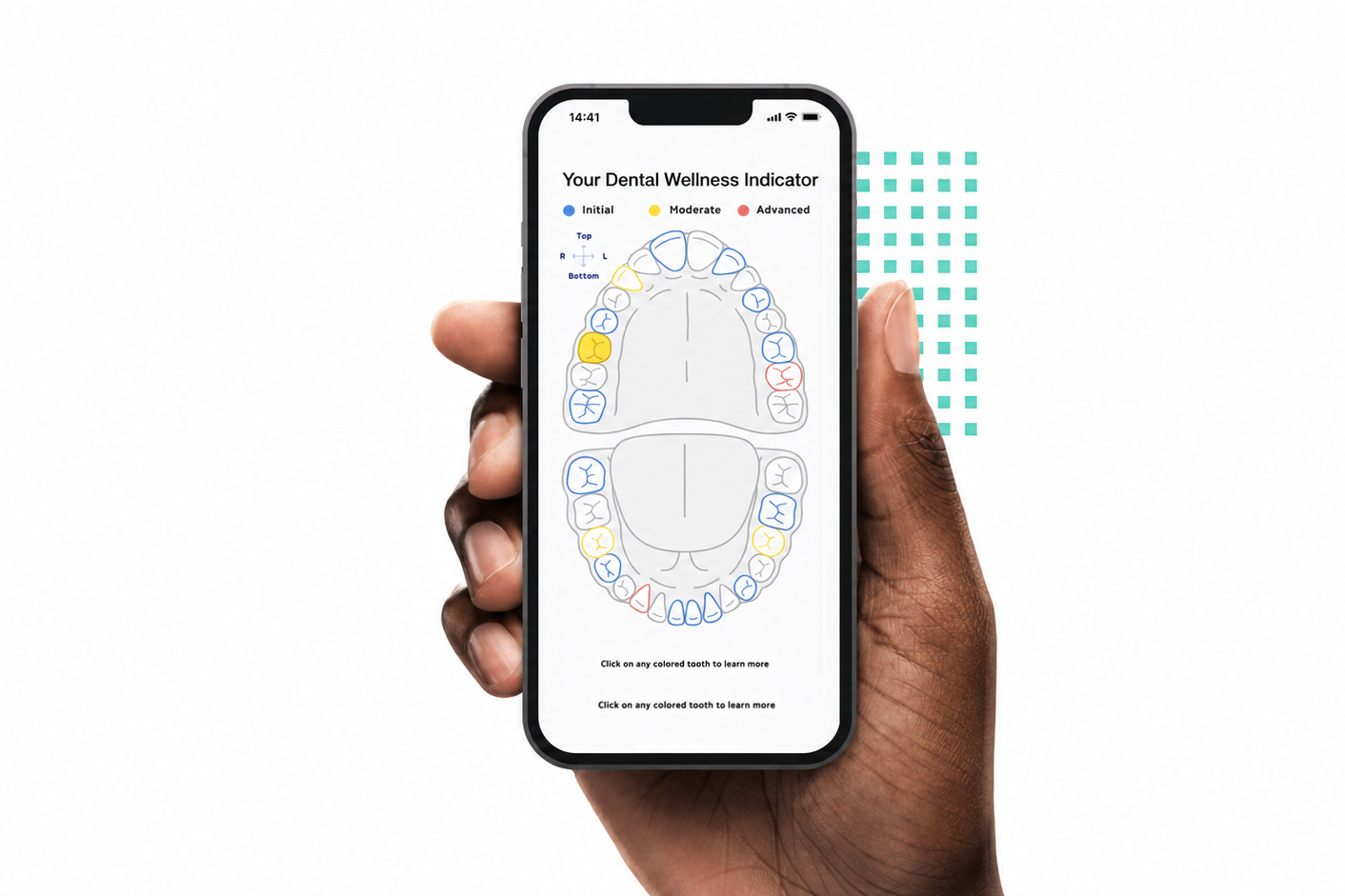
Using your phone, you are guided through capturing a full set of images in under five minutes. Every usable image is analysed, and the findings are presented in your personal Dental Wellness Report.
No membership. No monthly plan. No unnecessary commitment. The value is in the report.
The screening does not diagnose dental conditions and does not replace a dentist. It gives you information: what has been observed, what it may mean for your dental wellness and whether seeking professional care may be appropriate.
NICE guidance already says dental recall periods should reflect each person’s health and level of risk—not automatically follow the same six-month calendar for everybody. For low-risk adults, intervals may extend up to 24 months.
Screen First. Understand what has been observed. Then decide what to do next.
Figures correct at 31 July 2026. NHS dental charges and contractual arrangements described in this article apply to England.

Written by Pete McIvor
With over 25 years of experience in consumer finance and insurance, Peter McIvor is on a mission to make private dentistry more affordable and accessible for everyone across the UK.
Keeping you informed
View all articles
Britain may not have a shortage of dental talent so much as a failure to use it effectively. With millions unable to access NH...

Peter Simmonds
Screening does not replace a dentist when a clinical examination, diagnosis, X-rays or treatment are required. It gives you us...
