Rural Britain’s Dental Crisis: Why £20,000 ‘Golden Hellos’ Are Not Enough
MPs warn that recruitment incentives are failing to attract dentists to rural communities, leaving patients travelling miles, paying privately or going without treatment.
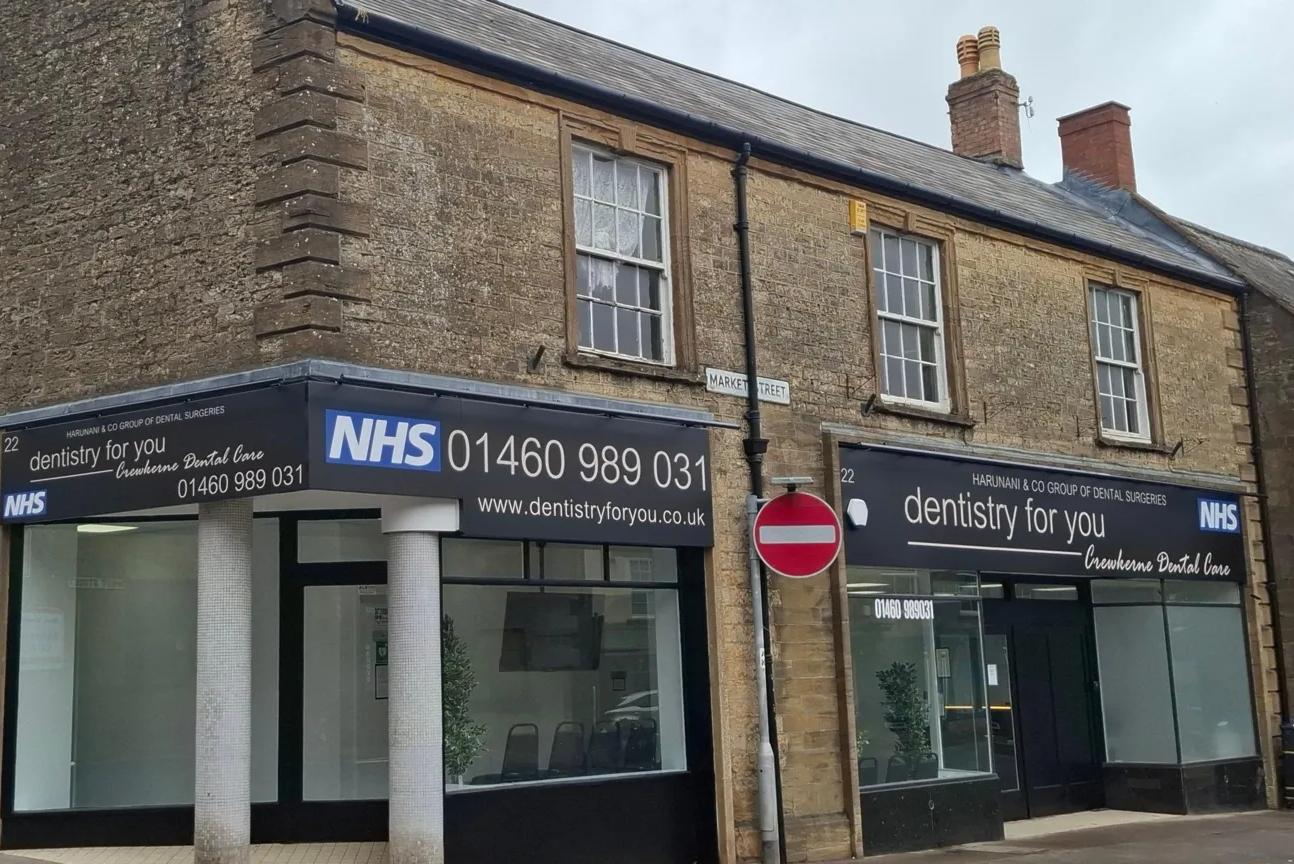
Mark has worked as a dentist in Yeovil for 39 years and is now preparing to retire. Speaking in the House of Commons on 15 June, Yeovil MP Adam Dance said Mark had been warning governments since the mid-1990s about the need to attract dentists to rural communities—and keep them there.
Dance said areas such as south Somerset lose out because NHS dentistry tends to be concentrated around dental training schools and urban centres.
Bridgwater’s Conservative MP, Sir Ashley Fox, was equally direct. He told the House that nowhere was the dental crisis felt more acutely than in Britain’s rural communities.
Fox said his constituents’ demands for improvements to NHS dentistry were being ignored. After asking the government what it was doing to increase the number of dentists accessible to rural communities, he was told that a response would follow.
It did not arrive until Fox pursued the matter further.
“Eventually, having chased the special adviser outside the Chamber and threatened a point of order for the Minister’s reply, I did get a response,” he said.
The figures revealed that 4% fewer NHS dental treatments had been delivered during the first seven months of the financial year than during the equivalent period before the general election.
Fox said families should not have to travel miles for basic dental care, pay fees they cannot afford or, worse still, go without treatment altogether.
Are ‘golden hellos’ working?
The government has introduced several measures intended to strengthen NHS dentistry, including requiring newly qualified dentists to work in the NHS for around three years and offering £20,000 “golden hello” payments to dentists taking NHS positions in underserved areas.
Dance welcomed the initiatives but described them as short-term fixes.
Bolton South and Walkden MP Yasmin Qureshi was also critical of the results achieved so far.
“Just last week, we learned that despite the offer of a £20,000 golden hello, just two dentists in Greater Manchester signed up to do NHS work,” she said. “That tells us how broken our system is.”
South Devon Liberal Democrat MP Caroline Voaden raised similar concerns. Only four of the 19 available posts in Devon had been filled, she said, while Fresh Dental in Dartmouth was preparing to end its NHS services at the end of June.
The practice is the last remaining dentist in the town and has reportedly tried unsuccessfully for years to recruit for the position. It said maintaining its NHS contract had become increasingly difficult.
Dance also pointed to plans to create 50 additional dental training places by 2027. While welcoming the increase, he described it as only a 6% rise—“a drop of water in the dental Sahara desert that is the south-west.”
In his view, simply training more dentists in cities such as Portsmouth offered no guarantee they would eventually work in Somerset.
Could local training provide an answer?
Fox suggested that training dentists within rural communities could help improve long-term recruitment and retention.
Discussions have previously taken place with Bridgwater and Taunton College about possible partnerships with organisations such as the University of Bristol Dental Hospital. These could allow student dentists to complete some of their clinical training in rural communities.
“If student dentists could do some of their practice within rural communities, it might encourage them to work there afterwards,” Fox told the House.
He believes local partnerships could make a meaningful difference, but said the government must also make NHS dentistry a viable and attractive career. This would require reconsidering how dental procedures are valued, whether payments properly reflect the work involved and how dentists can be encouraged to remain in the NHS.
Fox said the government was too busy congratulating itself to recognise the reality facing Somerset and other rural counties.
“Access to quality NHS dental care should be available to all, not just those in urban Labour constituencies,” he said.
The debate revealed broad political agreement that rural communities have been particularly badly affected by the dental crisis. Recruitment bonuses and additional training places may help, but MPs from across the political divide warned that they will not resolve the underlying problems without fundamental reform of the NHS dental contract.
While access remains difficult, DentalSavers helps people throughout the UK reduce the cost of private dental care through discounted services and dental savings packages.
DentalSavers also offers a smartphone-enabled first-step dental screening that people can complete from home. The resulting images and report can be shared with a dentist, helping the patient understand whether an appointment may be needed and take a more informed next step.

Written by Peter Simmonds
Peter Simmonds is a New Zealand-based PR specialist and journalist who leads DentalSavers’ blog content. He brings a clear, engaging editorial approach to stories that help readers better understand dental care, access and affordability.
Keeping you informed
View all articles
Britain may not have a shortage of dental talent so much as a failure to use it effectively. With millions unable to access NH...
Peter Simmonds
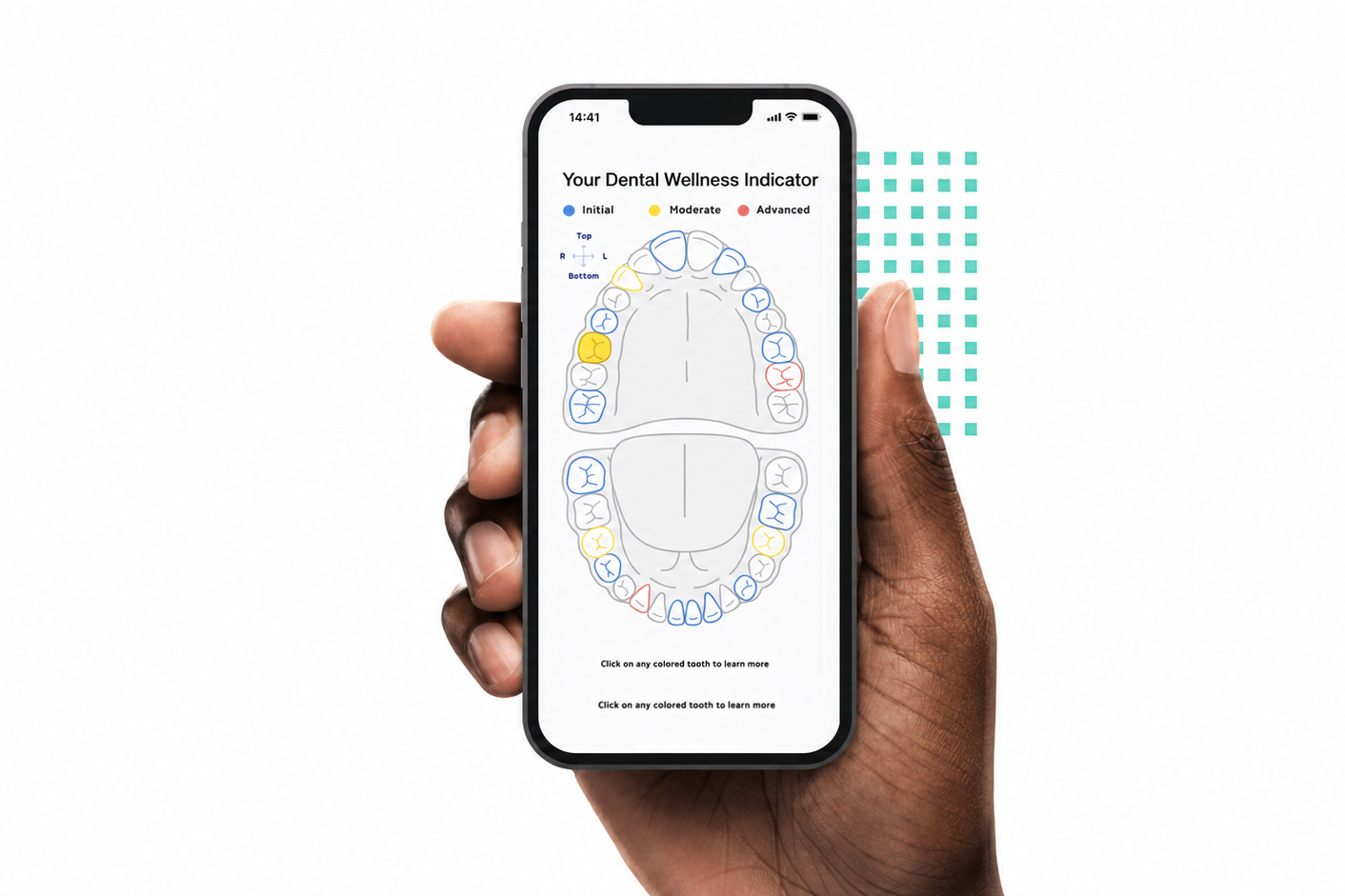
Screening does not replace a dentist when a clinical examination, diagnosis, X-rays or treatment are required. It gives you us...
